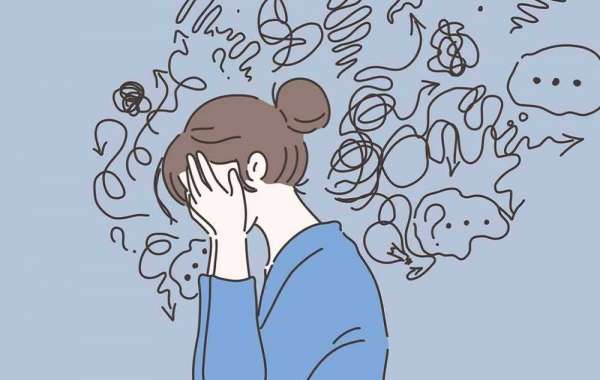
There is a very good reason why we are so anxious about social situations and the thought of meeting a dreaded enemy. Our bodies have evolved to produce a high level of adrenalin when we perceive danger. This chemical messenger triggers the body's fight or flight response to protect us from danger. However, in modern times, people are less concerned about danger and more focused on work, family, and health. When this response occurs, the symptoms of anxiety disorder increase and become more severe.
Social phobia
In case you've been wondering how social phobia occurs in an anxiety disorder, the first step is to understand what makes people afraid of public places. People with social phobia exaggerate their fears of other people, especially those that are embarrassing to them. These thoughts cause them to avoid certain social situations, which results in loneliness and missed opportunities for fun and enjoyment. Those with social phobia avoid chatting with friends in the lunchroom, joining after-school clubs, and asking someone out on a date, and these fears can prevent them from achieving personal goals.
People with social phobia have symptoms similar to those of other anxiety disorders. The biggest difference is that these people recognize that their fear is excessive and unreasonable, but feel powerless to combat their feelings. Typically, people with social phobia have had intense shyness or social phobia since childhood. This makes it difficult to overcome the fear. However, there are treatments available that can help people with social anxiety disorder. The treatment options for social phobia can be found in the treatments section.
People with social phobia experience a physical response to social situations. While the situations are not physically dangerous, the symptoms of social phobia cause extreme anxiety in people who are affected by the disorder. People with social phobia often experience physical sensations of fear, which are part of their body's fight or flight response. The body releases chemicals that trigger this reaction. The nervous system responds to the stress by pumping adrenaline, releasing chemicals, and causing the body to react in an alarming way.
People with social phobia are often afraid of meeting new people or speaking in public. While the fear of being judged or scrutinized by others may be unreasonable, the symptoms of social phobia can lead to the person avoiding social situations. People with social phobia may find it difficult to interact in public, but learning how to cope with their fears will make it easier to handle these situations. The first step towards recovery is learning to cope with the symptoms of social phobia in an anxiety disorder.
Panic attacks
People with panic disorder experience irrational, uncontrollable fears. Attacks often last five to twenty minutes, with the majority peaking at around 10 minutes. They usually subside within an hour, and you may feel exhausted afterwards. However, there are some things you can do to prevent future panic attacks. Learn to cope with these feelings by practicing simple breathing exercises. You may find that they occur less frequently than you think.
Symptoms of panic attacks are intense, sudden episodes of fear that are accompanied by physical reactions. A panic attack can happen anywhere, including the car, mall, while you're asleep, or even in a business meeting. Often, the symptoms peak between five and ten minutes after they start, but you may have more than one attack. It may even feel like they come out of the blue at first, if you're not careful. If you suffer from panic attacks, it's important to seek treatment as early as possible to minimize your risk of experiencing them again.
Physical symptoms of panic attacks include shortness of breath, racing heartbeat, and chest pain. People with panic disorders may also feel detached from reality. Because the symptoms of panic attacks resemble heart attack symptoms, many people suffering from them seek emergency treatment. If you have chest pain, call your doctor immediately. People with panic attacks should avoid crowds and stressful situations. If your attack does occur while in a crowded place, you may need to find an isolated place to recover.
A physician can recommend strategies to help manage panic attacks in children. A doctor can also check for other medical conditions and screen for the risk of heart attacks. A panic disorder can affect your child's development, causing them to experience severe physical symptoms. Anxiety disorders can cause serious problems and can lead to early death. It's important to seek treatment for panic disorder so that you can improve your quality of life and avoid having any more attacks.